
01 Treatment · Healia
CO2 Fractional Laser Treatment in Dubai for Acne Scars & Skin Resurfacing
Acne marks, fine lines and rough skin texture can be difficult to improve with everyday skincare products. When these concerns remain visible, laser resurfacing may be an option worth exploring. CO2 fractional laser treatment in Dubai helps target selected skin imperfections by encouraging skin renewal and collagen production.
At Healia Medical Center, patients can explore CO2 fractional laser treatment in Dubai to address selected skin concerns and work towards smoother, more refined-looking skin. The treatment is planned according to individual skin needs, the condition being treated and the results a patient hopes to achieve. A professional assessment helps determine whether fractional CO2 laser resurfacing is a suitable option.
Duration
Varies by treatment area
Plan
Personalized treatment
Treatment
Fractional CO2 resurfacing
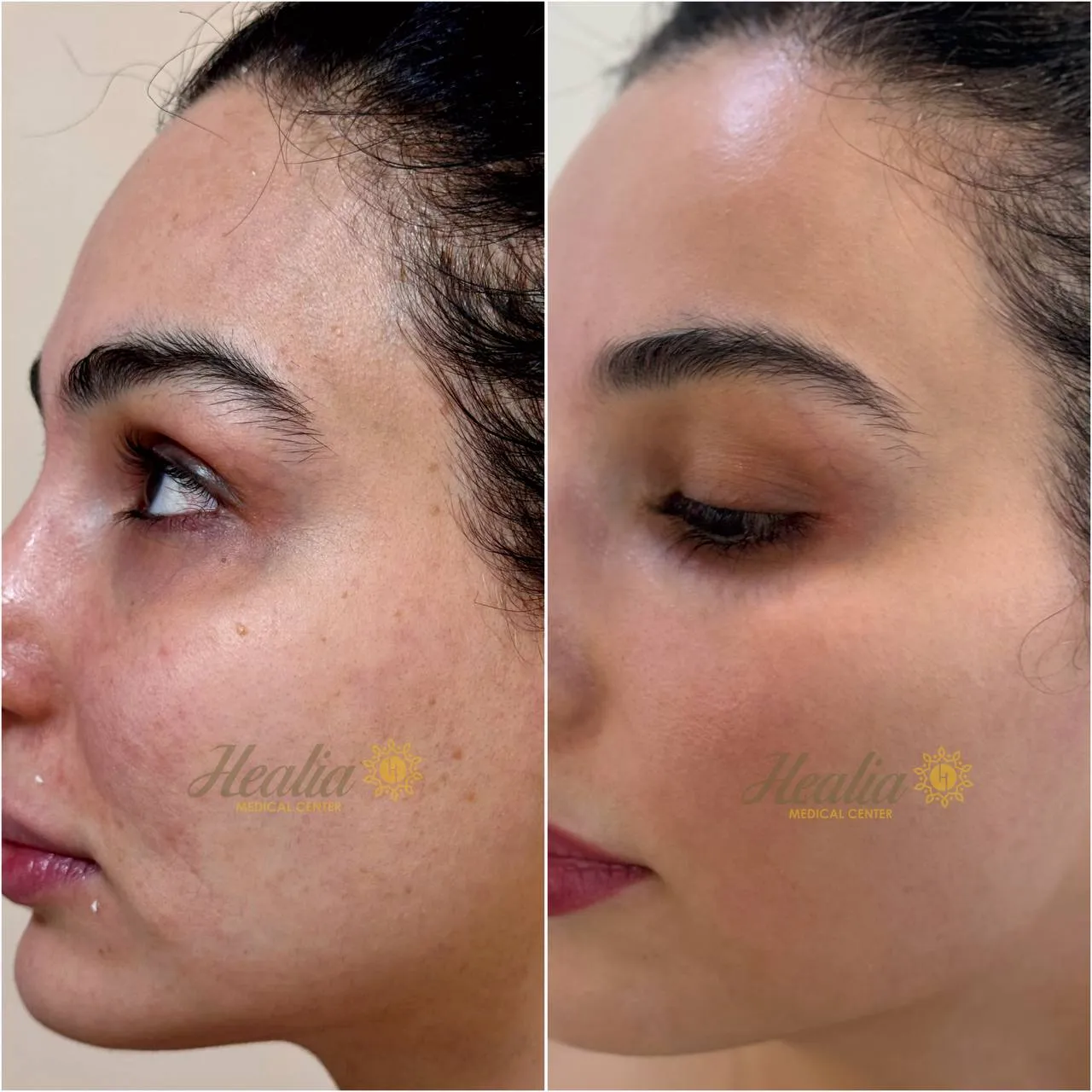
What Is CO2 Fractional Laser Treatment?
A CO2 fractional laser works by directing focused light energy onto specific areas of the skin. This creates microscopic treatment points that help renew the skin's surface and encourage natural collagen production. These microscopic areas encourage the removal of damaged surface tissue and stimulate the body's natural healing response. The process also supports collagen remodelling, which can gradually improve skin texture and the appearance of certain scars and wrinkles.
Traditional full-field CO2 laser resurfacing creates full-depth injury to the skin with every shot. Unlike that method, the fractional technique only injures small areas of the skin, leaving some skin surrounding those areas to act as a source of cells and matrix to help the injured skin heal faster and reduce downtime compared to full-depth injury methods.
However, fractional CO2 laser treatment is still an ablative procedure. The skin needs time to heal, and redness, swelling and peeling are expected during recovery. The intensity of treatment and the healing period depend on the settings used and the area being treated.
How Does Fractional CO2 Laser Resurfacing Work?
The treatment uses focused laser energy to create microscopic channels in selected areas of the skin. This controlled action removes small portions of damaged tissue and delivers heat to the deeper layers, encouraging collagen production and remodelling.
Collagen helps keep the skin firm, supported, and smooth. During the months following treatment, skin may become more smooth and fine lines and certain types of scarring will appear less visible as the effects of the treatment begin to manifest.
The procedure works through several stages:
Controlled resurfacing
Laser energy targets selected areas of damaged skin.
Natural skin renewal
The surrounding untreated tissue supports the healing process.
Collagen stimulation
Heat in the deeper skin layers encourages collagen remodelling.
Gradual improvement
Skin texture and the appearance of selected imperfections may improve as healing progresses.
The results vary from one person to another. The depth of the concern, skin type, treatment intensity and aftercare all influence the outcome.
Skin Concerns That CO2 Fractional Laser Treatment May Address
Fractional CO2 laser resurfacing can help improve several concerns related to skin texture and ageing. A consultation is important because not every skin condition responds to the same laser settings or treatment approach.
1. Acne Scars
Acne scars can remain long after active breakouts have settled. Depressed scars, uneven skin texture and changes in the skin's surface may be difficult to address with regular skincare products.
CO2 fractional laser treatment may help soften the appearance of selected atrophic acne scars by resurfacing the skin and stimulating collagen remodelling. The results vary according to the type of scar and its depth. Deep or tethered scars may require a combination of treatments rather than laser resurfacing alone.
2. Fine Lines and Wrinkles
Fine lines can develop as collagen and elastin gradually change with age and repeated sun exposure. These changes are often noticeable around the eyes, mouth and other areas of the face.
Fractional CO2 laser treatment in Dubai can improve the appearance of certain fine lines by resurfacing the skin and encouraging collagen remodelling. It may be suitable for selected signs of photoageing, although it does not replace a facelift or correct significant skin laxity.
3. Uneven Skin Texture
Rough patches, enlarged-looking pores and an irregular skin surface can make the complexion appear less smooth. Fractional laser resurfacing may improve selected textural concerns by encouraging skin renewal.
The treatment does not permanently eliminate pores or prevent every future skin change. Instead, it aims to improve the overall appearance of the treated area when the underlying concern is suitable for laser resurfacing.
4. Sun-Damaged skin
Regular exposure to ultraviolet radiation can contribute to fine lines, rough texture and visible changes in skin quality. CO2 fractional laser treatment may help address certain surface changes associated with photoageing.
A clinician should first assess any unusual, changing or suspicious skin lesions rather than treating them as cosmetic concerns without appropriate evaluation.
5. Selected Surgical or Injury Scars
Some scars develop an uneven surface or noticeable textural changes following surgery or injury. Fractional CO2 laser resurfacing may improve the appearance of certain established scars.
Not every scar is suitable for this procedure. Raised scars, keloids and scars with particular characteristics may need a different approach. The clinician will assess the scar before recommending treatment.
Frequently Asked Questions
1. What is CO2 fractional laser treatment used for?
CO2 fractional laser treatment is used to improve selected skin concerns, including acne scars, fine lines, uneven texture and certain signs of sun damage. It works by resurfacing small areas of the skin and stimulating collagen remodelling.
2. Is CO2 fractional laser treatment painful?
Discomfort varies depending on the treatment area, laser settings and individual sensitivity. A topical anesthetic may be used to make the procedure more comfortable. Some warmth, stinging or tenderness can occur during and after treatment.
3. How long does recovery take after fractional CO2 laser treatment?
Initial recovery often takes several days to around one week, although more intensive treatments may require longer. Redness and sensitivity can continue after the surface has healed. Your clinician will provide a more personalised estimate.
4. Can CO2 fractional laser treatment remove acne scars completely?
The treatment may reduce the visibility of selected acne scars, but complete removal cannot be guaranteed. The results depend on the type and depth of the scars, skin characteristics and treatment plan. Some scars respond better to a combination of procedures.
5. Is fractional CO2 laser treatment suitable for darker skin?
People with darker skin tones may also experience pigmentation changes after ablative laser resurfacing, so a clinician should carefully assess their skin before recommending treatment. A careful assessment of skin tone, pigmentation history and other risk factors is essential before treatment.
6. When will I see results from CO2 fractional laser treatment?
Some improvement may become noticeable once the initial healing period has passed. Changes in collagen and skin texture can continue for several months. The final outcome varies according to the concern treated and the individual's healing response.
7. How should I care for my skin after the procedure?
Follow the aftercare plan provided by your clinician. Gentle cleansing, suitable moisturising products and careful sun protection are important. Avoid picking the skin or restarting irritating skincare products until you receive clearance.
8. How much does CO2 fractional laser treatment cost in Dubai?
The cost depends on the treatment area, the severity of the skin concern, the number of sessions recommended and the clinical approach required. Contact Healia Medical Center for information about consultation fees and treatment pricing.
9. Can I return to work after CO2 fractional laser treatment?
This depends on the intensity of the treatment and the amount of redness, swelling and peeling you experience. Some patients prefer to take several days off, particularly after facial resurfacing. Plan your schedule around the recovery period advised by your clinician.
10. How can I book CO2 fractional laser treatment in Dubai?
You can contact Healia Medical Center to enquire about an appointment. A consultation will help establish whether fractional CO2 laser resurfacing is suitable for your skin concerns and what treatment options may be appropriate.
Take the next step towards smoother-looking skin. Contact Healia Medical Center to learn more about CO2 fractional laser treatment in Dubai and arrange a consultation.
Benefits of CO2 Fractional Laser Treatment
A big positive to fractional resurfacing is that it only addresses damaged tissue, leaving surrounding areas alone. This means there is less down time, which leads to quicker recovery times, and ultimately results in overall better outcomes.
Potential benefits include:
- Improvement in the appearance of selected acne scars.
- Smoother-looking skin texture.
- Reduction in the visibility of certain fine lines.
- Support for collagen remodelling.
- Improvement in selected signs of sun damage.
- A more refined appearance of the treated skin.
- A treatment plan that can be adjusted to individual concerns.
These benefits should be understood as possible outcomes rather than guaranteed results. Some patients may notice a clear improvement after one session, while others may need multiple sessions or a different treatment altogether.
Who Is a Suitable Candidate for CO2 Fractional Laser Treatment?
CO2 fractional laser treatment may be considered for adults who want to improve acne scars, textural irregularities, fine lines or selected signs of skin ageing.
Suitability depends on several factors, including skin tone, skin sensitivity, medical history, scar type and expectations. People with darker skin tones may have a greater risk of post-inflammatory hyperpigmentation after ablative laser treatment. This is particularly important for patients with a history of melasma or dark marks following inflammation.
A clinician may recommend another treatment if the risk of pigmentation changes or scarring outweighs the expected benefit.
The procedure may need to be postponed or avoided in certain circumstances, including:
- Skin infections or cold sores affecting the area to be treated.
- Inflamed skin or certain uncontrolled skin conditions.
- A history of abnormal scarring that requires further assessment.
- Recent use of certain medications that affect healing.
- Recent tanning or significant sun exposure.
- Pregnancy or other circumstances requiring individual medical advice.
Tell your clinician about your medical history, current medications, previous cosmetic procedures and any history of pigmentation problems before treatment.
What to Expect During the Treatment
Knowing what happens during the session can help you feel more prepared for the treatment and healing period.
Step 1: Skin Consultation
The clinician examines your skin, discusses your concerns and reviews your medical history. This assessment helps establish whether fractional CO2 laser resurfacing is appropriate and what degree of improvement may be realistic.
Step 2: Skin Preparation
Your skin is prepared before the procedure. Depending on your needs, topical anaesthetics can be used to numb the skin and further reduce discomfort during your procedure. You will receive instructions about any products or medications that need to be adjusted before your appointment.
Step 3: Laser Application
During your session, the laser is used over your target treatment area. With each pulse, there is a sensation that is typically described as being similar to having small pins and needles touching your skin.
Treatment time will depend on how large your treatment area is and how much work is required to get your desired results.
Step 4: Immediate Aftercare
Following treatment, the skin may feel warm and appear red or swollen. Your clinician will explain how to cleanse the area, maintain appropriate skin moisture and protect the skin while it heals.
Follow the instructions provided for your specific procedure rather than applying unapproved skincare products during recovery.
Recovery After CO2 Fractional Laser Treatment
Recovery is an important part of the treatment process. The skin may remain red, feel sensitive and develop small crusts or peeling as it heals. Swelling can also occur, particularly during the first few days.
Many patients need several days away from normal social activities, and recovery can take around a week or longer depending on treatment intensity. Redness may persist beyond the initial healing period.
During recovery, you should:
- Cleanse the treated skin gently as instructed.
- Use the recommended moisturiser or wound-care products.
- Avoid picking, rubbing or peeling away crusts.
- Keep the skin protected from direct sunlight.
- Use sunscreen when your clinician confirms it is appropriate for the healing stage.
- Avoid retinoids, exfoliating acids and other irritating products until advised that they can be resumed.
- Attend follow-up appointments when recommended.
Contact your healthcare provider if you develop increasing pain, worsening redness, pus, fever, blistering or symptoms that concern you. These may require medical assessment.
Possible Side Effects and Risks
CO2 fractional laser treatment can improve selected skin concerns, but it is not risk-free. Temporary redness, swelling, tenderness, peeling and skin sensitivity are common during recovery.
Other possible complications include:
- Temporary or prolonged changes in skin pigmentation.
- Dark marks following inflammation, particularly in darker skin tones.
- Infection, including reactivation of cold sores.
- Acne-like breakouts or small white bumps.
- Delayed healing.
- Scarring, although this is uncommon.
Choosing suitable treatment settings, following aftercare instructions and attending appropriate follow-up appointments can help reduce avoidable risks. Your clinician should explain the relevant benefits and risks before you decide to proceed.
How Many CO2 Fractional Laser Sessions Are Needed?
Your skin concern and desired results determine how many sessions you may need. Some patients may benefit from one treatment, while acne scars or more pronounced textural concerns may require a series of sessions.
Treatments are generally spaced apart to allow the skin to heal fully. The appropriate interval depends on the treatment intensity and your individual response.
Results do not appear all at once. Initial changes may become noticeable after the skin heals, while collagen remodelling can continue for several months. Your clinician can assess your progress and advise whether another session is appropriate.
CO2 Fractional Laser Treatment in Dubai at Healia Medical Center
Choosing a skin resurfacing procedure starts with understanding your skin rather than selecting a treatment based on popularity alone. At Healia Medical Center, patients can enquire about CO2 fractional laser treatment in Dubai and discuss their skin concerns with the clinic’s team.
An individual assessment helps determine whether laser resurfacing is appropriate, what improvements may be possible and how much recovery time to plan for. The treatment approach should take your skin type, medical history and personal goals into account.
If you want to enhance acne scars, fine lines or uneven skin texture, contact Healia Medical Center to enquire about an appointment and discuss the available options.